
Are you picturing mornings with tall pines, quiet streets, and trailheads a few minutes from your door? If you are exploring South Lake Tahoe, Tahoe Paradise and Meyers offer that everyday rhythm many people want. You get a calmer home base with quick access to town, resorts, and outdoor fun. In this guide, you will learn how life flows here, from commute times and coffee stops to winter prep, internet options, and the rules that shape homeownership. Let’s dive in.
Tahoe Paradise and Meyers sit just south and southwest of South Lake Tahoe’s commercial core along US-50. You feel close to town, yet the neighborhoods have more space, trees, and a quieter pace. Streets are residential and friendly to walkers, dog owners, and cyclists. Many residents work in hospitality, healthcare, education, public services, trades, or remote roles.
Homes range from older cabins to renovated single-family properties, with pockets of duplexes and small multiunit buildings. You will see a mix of full-time residents, second-home owners, and some short-term rentals. Lot sizes and property condition vary by street, so plan to compare a few micro-areas. The result is a relaxed base that balances outdoor access with practical everyday needs.
Weekday mornings bring light to moderate traffic along US-50 as people head to the resort corridor or in-town services. You will see school buses during the academic year and quick lines at neighborhood cafés. Midday is quieter, with local errands and construction or maintenance work common. Evenings and weekends feel busier in summer and winter holiday periods, especially when tourists arrive for lake days or ski trips.
Seasonality is real here. Summer brings peak beach and trail use, especially July and August. Winter attracts ski and snowboard crowds and can come with chain controls and slower roads during storms. Spring and fall are shoulder seasons with lighter traffic and great days for lower-elevation trails.
You can reach forested streets and local paths right from the neighborhood, and most homes are a short drive to larger trailheads. Popular access points around the South Shore include Van Sickle Bi-State Park, Upper Truckee River marsh areas, and summer trail connections at Heavenly. In summer, residents run, hike, ride bikes, paddleboard, and climb. In winter, you can ski or snowboard at nearby resorts, snowshoe, or explore groomed cross-country areas.
US-50 is your main corridor to central South Lake Tahoe, Stateline, and beyond. In normal conditions, it is about 5 to 15 minutes to central South Lake Tahoe or the Stateline base area from most Meyers or Tahoe Paradise streets. Carson City is commonly a 20 to 30 minute drive, while the Sacramento area is around 1.5 to 2.5 hours depending on traffic and weather. During peak seasons and storms, give yourself extra time.
Public transit operates along US-50 with routes that shift by season. Service typically increases during peak tourist months. For some residents, walking or biking works for short local trips when roads are clear. In winter, snow and ice can limit active commuting and require more cautious travel.
You will find small commercial nodes along US-50 and Lake Tahoe Boulevard in Meyers with cafés, diners, pizza and family restaurants, convenience stores, and services. The largest cluster of restaurants, grocery stores, and nightlife sits in central South Lake Tahoe and the Stateline area. Many businesses adjust their hours by season, with expanded hours in summer and winter holidays and reduced hours in shoulder months. Always check current hours before you go.
For groceries, you can handle quick picks near Meyers, then do larger shops in South Lake Tahoe’s main corridor. During big storms or holiday weeks, locals often keep extra staples on hand. Road slowdowns happen, so having a backup supply is a smart habit.
Tahoe Paradise and Meyers are served by the Lake Tahoe Unified School District. Families follow the district’s boundary maps for elementary, middle, and high schools. Childcare can be limited, which is common in mountain towns. Many parents use a mix of school-based programs and outdoor-focused activities when available.
Barton Health provides hospital and urgent care services to the South Lake Tahoe area. Emergency response is covered by a combination of local fire districts and county resources. Wildfire season and winter storms shape local preparedness. Residents maintain defensible space, follow burn restrictions, and stay alert to seasonal advisories.
Winter response is part of daily life. Plows keep main corridors open, and neighborhoods get cleared on a schedule. Storms can slow travel or temporarily close roads, so it pays to track conditions and keep chains ready when required.
Snow typically arrives in late fall and can last into early spring. Plan on snow tires or all-wheel drive and carry chains during active weather. Major storms can slow or close US-50 for short periods. Day to night temperature swings can be large in spring and fall. Summer days are warm and dry with cooler evenings, which is great for outdoor time and energy savings.
Snow removal works best with a plan. Public agencies clear main roads. As a homeowner, you handle driveways and walkways. Consider how your driveway faces the sun, where snow berms end up, and whether you will shovel yourself or hire a plow service.
Electricity and water service are provided by regional utilities, and sewage can vary between municipal connections and septic systems in some pockets. Always verify at the address level when you are in escrow. Broadband and cell coverage can differ by street or even side of the block. Many homes have cable internet, but speeds can vary. In less covered spots, residents use satellite or fixed wireless. Starlink and other low-earth orbit options are increasingly common in areas with limited terrestrial service.
If you work from home, check provider availability and speeds for the exact address. Look at cell service as well, since signals can dip in mountain terrain. It is smart to test during different times of day, especially if video calls are part of your routine.
Lake Tahoe’s Basin has environmental standards that guide building and land use. The Tahoe Regional Planning Agency oversees many of those rules. El Dorado County manages zoning and building permits in unincorporated areas. If you plan upgrades, tree work, or changes near streams or marshes, factor in the need for permits and extra time.
Short-term rental rules are set by local jurisdictions and can change. Owners typically register, follow licensing requirements, and pay transient occupancy tax where applicable. If you are buying with future rental income in mind, review current policies and restrictions for the specific address.
You will appreciate Tahoe Paradise and Meyers if you like a quieter home base with quick access to trails and a short drive to town. Outdoor-oriented residents enjoy the ability to start and end the day outside. Families value residential streets and an easy hop to schools and parks. Remote workers find a solid rhythm here, especially if they verify internet needs ahead of time.
Use this checklist to compare properties and streets:
Buying in a mountain market takes local knowledge and thoughtful logistics. Our team pairs neighborhood-level insight with tools that make your life easier. We help you verify address-level internet and utility details, review permit history, and understand seasonal patterns by street. With Compass Concierge, a vetted vendor network, and options like bridge loans through Compass, we can streamline prep and timing when you buy or sell.
If you are comparing Tahoe Paradise, Meyers, and nearby pockets, we will walk you through tradeoffs in commute, snow patterns, and outdoor access so you can choose with confidence. When the timing is right, we will line up tours, digital previews, and clear next steps.
Ready to explore homes that match how you live? Reach out to Jill & Pamela to start a conversation and see what is possible.
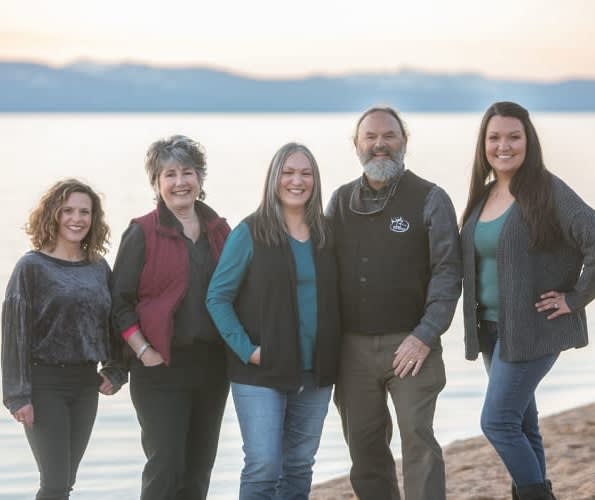
SoTahoe Team
We serve clients in California and
Nevada, forging lasting relationships
built on trust and integrity.
Office Information
2028 Lake Tahoe Blvd.,
South Lake Tahoe, CA 96150