
Dreaming of a place in Al Tahoe where you can walk to the lake after a powder day at Heavenly? If you are exploring a second home on Tahoe’s South Shore, the mortgage process can feel different from your primary home. The good news is you can navigate it with confidence once you know the rules lenders follow in resort markets. This guide breaks down down payments, reserves, occupancy, condo issues, insurance, and CA vs NV differences so you can move forward with clarity. Let’s dive in.
A second home is not your primary residence and not primarily a rental. Lenders expect you to use the home for personal stays and keep it reasonably available for your own use. If the home is marketed or used mainly for short-term rental income, many lenders will classify it as an investment property with different underwriting.
Down payments are usually higher than on a primary home. Many lenders allow around 10 percent down for strong files on conforming loans, but you should plan for 15 to 25 percent as a common range in resort areas. Jumbo loans and portfolio loans often expect 20 percent or more. Exact loan-to-value thresholds vary by lender and your credit profile, so compare preapprovals.
Interest rates for second homes are often a bit higher than for primary residences. Your pricing depends on credit score, down payment, debt-to-income ratio, and whether the loan is conforming or jumbo. Lenders also look for stronger liquidity. It is common to see six months or more of PITI in cash reserves, and some scenarios require up to twelve months, especially for larger loans.
Be clear with your lender about how you plan to use the home. Many second-home guidelines allow occasional renting, but a property that is primarily income-producing often gets underwritten as an investment property. Investment loans can mean different rates, larger down payments, and higher reserve requirements. HOA and local rules also matter, especially for South Lake Tahoe and nearby Nevada communities.
Appraisers and underwriters pay attention to year-round access. In Al Tahoe and nearby neighborhoods, lenders may request confirmation of road and driveway maintenance during winter. Seasonal closures, unplowed private roads, or unclear access agreements can delay or limit loan options. Appraisers also consider seasonal comps and may flag properties with unusual site or shoreline conditions.
Insurance is a key approval item in the Basin. Carriers look at wildfire exposure, roof condition for snow loads, and proximity to flood zones around the lake. If the home is in a FEMA flood zone and you are using a mortgage, flood insurance may be required. Earthquake coverage is a separate product many Tahoe owners consider. Lenders want proof of adequate hazard insurance and may require escrowed premiums.
The Tahoe Regional Planning Agency regulates development within the Basin. If you plan to remodel or expand, TRPA rules and local permits can affect what you are allowed to do and how long it takes. Shoreline, erosion control, and coverage limits are common factors near the lake. These items do not usually block financing, but they can shape your ownership plans and due diligence timelines.
Some East Shore properties rely on wells, septic systems, or community systems. Lenders may require inspections or permits for these utilities. Deferred maintenance or undocumented work can slow underwriting. Ask early about any recent septic upgrades, well tests, or sewer connections so you can plan for timing and costs.
Short-term rentals in the South Shore area are regulated and vary by jurisdiction and HOA. Some areas cap permits or restrict STRs, while others allow them with registration and compliance. If you plan to rent the home when you are not using it, verify city or county requirements and any HOA policies before writing an offer. Remember that heavy STR use can cause a lender to reclassify the loan as investment, which changes the approval path.
When you buy a condo, lenders review both your file and the project’s health. Budgets, insurance, reserves, litigation, and rental ratios all matter. Projects with strong reserves and clear insurance coverage are usually easier to finance. Projects with high rental concentrations or active litigation can be limited to fewer loan types or require larger down payments.
Conventional loans often require a project review to confirm eligibility. Large or recent special assessments for structural work, fire hardening, or insurance shortfalls can affect your debt calculations and the project’s eligibility. In Tahoe, HOAs also invest in erosion control, slope stabilization, and stormwater projects, so request the full association packet early.
Many condo associations limit or ban short-term rentals. If STRs are allowed and widespread, some lenders view the project as more investment-oriented. That can push you toward higher down payments or specialized loan types. Always confirm the HOA’s rental policies, any waitlists, or caps before you submit an offer.
Condo-hotel or hotel-like vacation projects usually do not qualify for standard second-home loans. Expect different underwriting and fewer loan options if the building has centralized check-in, daily housekeeping, or pooled revenues.
South Lake Tahoe sits on the California side, while nearby Stateline crosses into Nevada. The line matters for taxes, closing costs, and permitting. Nevada does not have state income tax, while California’s property tax system has its own rules and assessments at change of ownership. Transfer taxes and documentary stamps differ by county. Short-term rental rules, permitting, and environmental processes also vary. If you are comparing Al Tahoe, the Keys, and nearby Nevada addresses, factor in these jurisdictional differences as you budget and plan.
Buying a second home in Al Tahoe or near Stateline is easier with local guidance. You get an advocate who knows the streets, the seasons, and the rules. Jill and Pamela’s team pairs neighborhood-level expertise with proven systems to keep your financing and due diligence on track.
Here is how they add value:
If a place in Al Tahoe or the nearby East Shore is on your list, you deserve a clear path from offer to keys. Reach out to Jill & Pamela to align your financing, timeline, and search.
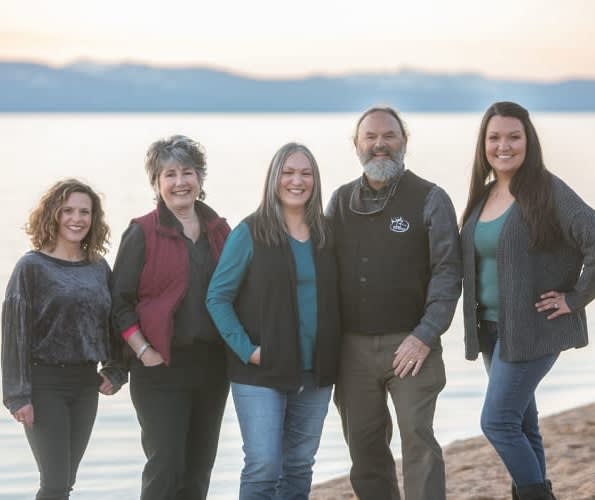
SoTahoe Team
We serve clients in California and
Nevada, forging lasting relationships
built on trust and integrity.
Office Information
2028 Lake Tahoe Blvd.,
South Lake Tahoe, CA 96150